How to Hire and Delegate to a Virtual Assistant (Step-by-Step)
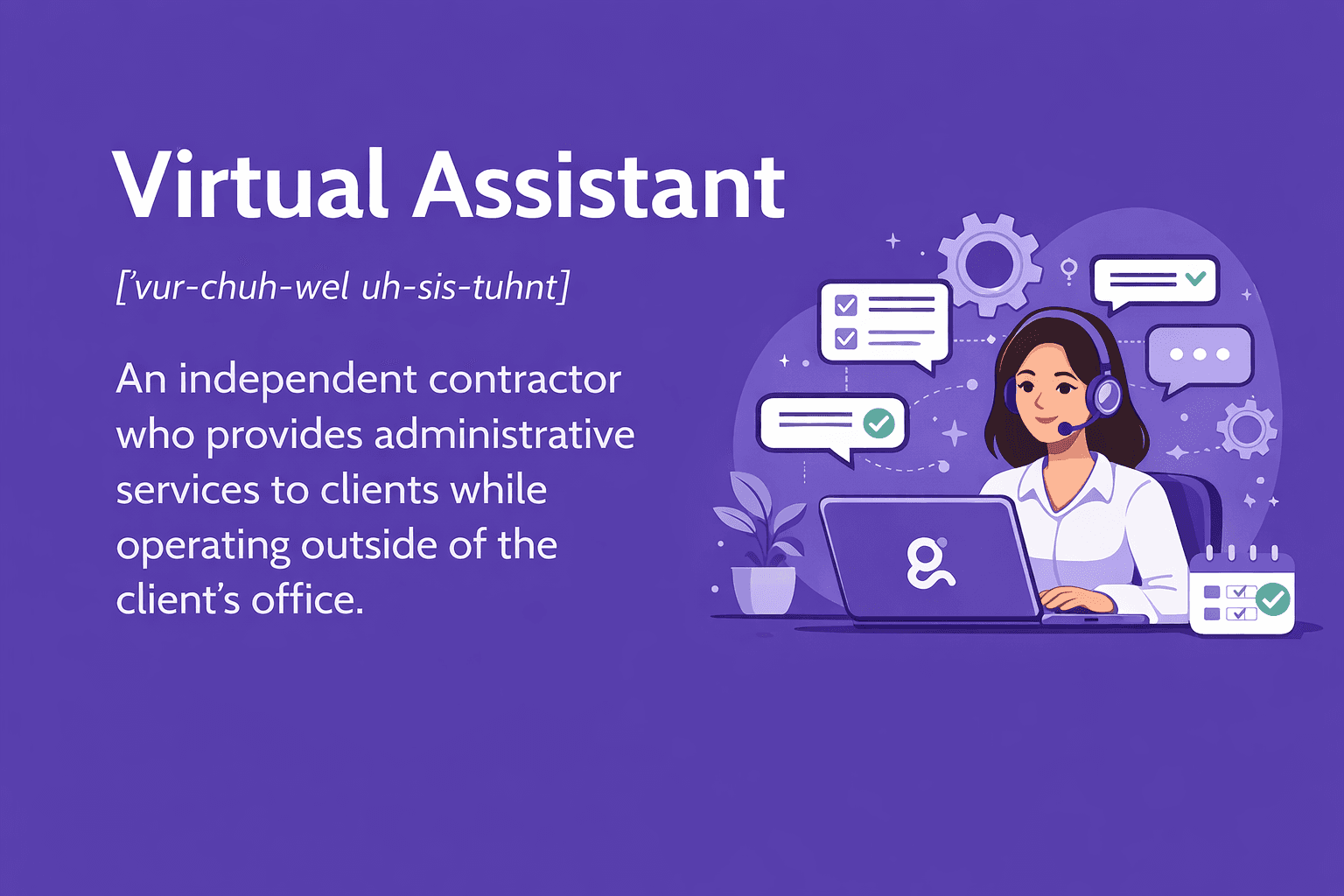
Hiring a virtual assistant is one of the smartest moves a founder can make—but only if delegation is done right.
Most delegation fails not because of the VA, but because expectations, systems, and structure aren’t clear from the start.
This step-by-step guide walks you through how to hire a virtual assistant and set them up for success.
Step 1: Identify What to Delegate (Before You Hire)
Start by listing tasks that:
Repeat weekly or daily
Drain your time or attention
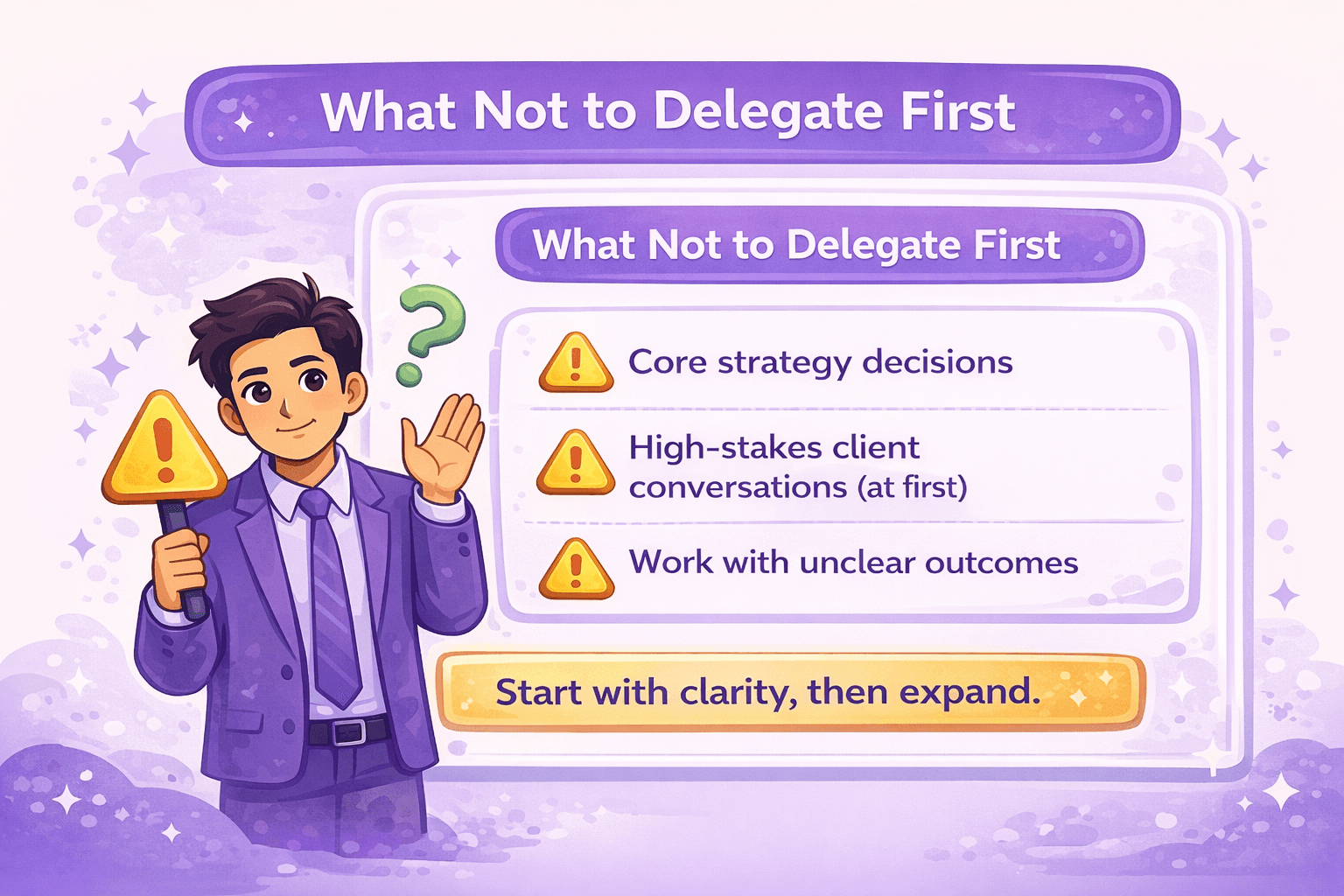
Don’t require founder-level decisions
If you’re doing it often and it doesn’t directly grow the business, it’s likely a good candidate for delegation.
Focus on tasks first, not job titles.
Step 2: Decide the Level of Support You Need
Clarify:
Part-time or full-time support
Ongoing operations or project-based help
Level of autonomy expected
This determines whether you need a general VA, an operations-focused VA, or someone with more specialized experience.
Step 3: Choose the Right Hiring Channel
Freelance marketplaces work for short-term tasks, but long-term delegation requires consistency and alignment.
Curated VA platforms reduce risk by providing:
Pre-vetted talent
Clear expectations
Better long-term fit
This shortens ramp-up time and improves outcomes.
Step 4: Hire for Ownership, Not Just Skills
When interviewing, look beyond task experience.
Ask questions that reveal:
How they handle unclear instructions
Whether they document processes
How they communicate problems
How they improve workflows over time
Great VAs think in outcomes—not just checklists.
Step 5: Document the First Few Processes
You don’t need perfect SOPs—just enough clarity to start.
For each task, share:
The goal of the task
Where information lives
What “done” looks like
Encourage your VA to refine and improve documentation as they go.
Delegation improves through iteration.
Step 6: Delegate Outcomes, Not Just Tasks
Instead of saying:
“Check the inbox.”
Try:
“Keep the inbox organized, respond to standard inquiries, and flag anything urgent.”
This gives your VA context and autonomy—without micromanagement.
Step 7: Set a Simple Communication Rhythm
Agree on:
How updates are shared
How often check-ins happen
When to escalate issues
Clear communication prevents unnecessary interruptions while maintaining trust.
Step 8: Let Systems Replace Supervision
As your VA learns:
Reduce step-by-step instructions
Rely on documented workflows
Focus on results, not activity
The goal is fewer questions over time—not more.
Step 9: Review, Refine, and Expand
After a few weeks:
Review what’s working
Adjust workflows
Add more responsibilities
Great delegation compounds—the more your VA understands the business, the more valuable they become.
Final Thought
Hiring a virtual assistant isn’t about offloading tasks—it’s about building systems that protect your time.
Delegatoo helps founders delegate with confidence by connecting them with experienced virtual assistants built for consistency, ownership, and long-term support—so you spend less time managing and more time building.
With the right structure and the right support, delegation becomes one of your most powerful growth tools.